
Oct 8, 2026Quality & Production
Quality Control Checklist for Corporate Gifts
A practical quality control checklist for corporate gifts from China — the four inspection checkpoints, defect classification, in-line checks, who performs inspection and how to handle defects before
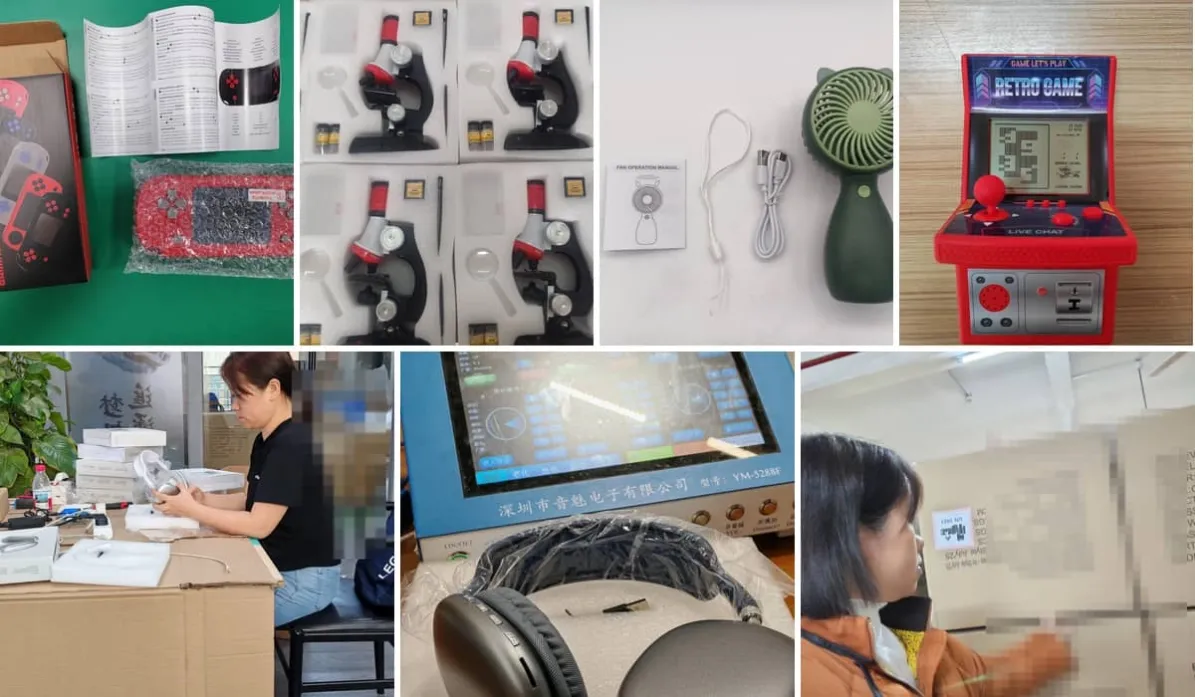
Quality control for corporate gifts sourced from China is not one inspection — it is a small system of checkpoints that catches problems when they are still cheap to fix. The difference between a smooth delivery and a shipment of defects is almost never luck: it is whether inspection happened at the right moments, against a written standard.
This guide lays out a practical quality control checklist for gift orders: what to inspect, when, against what standard, and how to structure the process so problems surface before goods leave the factory.
The Four Inspection Checkpoints
Quality control in a China-sourced gift order happens at four points. Skipping any of them shifts the risk to a place where it is more expensive:
Checkpoint | When | What It Catches |
|---|---|---|
1. Pre-production sample approval | Before production starts | Wrong specification, artwork errors, material or function issues — the cheapest possible point to find almost any problem |
2. In-line / during production | During the production run | Print or engraving drift, material batch differences, early process errors that would repeat across the whole run |
3. Pre-shipment inspection | After production, before packing/shipping | Quantity accuracy, functional defects, logo quality against the approved standard, packaging issues |
4. Post-arrival check | After delivery | Shipping damage, carton shortages, and any issue that only appears in the final environment |
Checkpoint 1 is covered in detail in our guide to approving a pre-production sample. This article focuses on the checklist used at checkpoints 2 and 3 — the inspections that stand between the sample you approved and the goods that arrive.
The Pre-Shipment Inspection Checklist
The pre-shipment inspection is the most important single checkpoint once production is running. Inspect against the approved sample and the written specification, not against memory or expectation. The checklist that covers a typical gift order:
1. Quantity
- Carton count matches the packing list; units per carton match the specification.
- Total quantity matches the order, with the agreed over/under allowance (small quantity variance — commonly up to 1–3% over or under — is normal in mass production and should be stated in the order).
- If the order includes multiple products, check each item's quantity separately. Multi-product orders fail quantity checks more often than single-product ones because one item counts short.
2. Logo Quality (against the approved sample)
- Engraving: depth and tone consistent across units; no burned or skipped areas; legibility at normal viewing distance.
- Printing: color matches the approved reference; edges sharp, not fuzzy; no smudging, no misalignment between colors in a multi-color print.
- Placement: logo position and size match the approved sample — check several units, not just the first one, because placement can drift during the run.
- Consistency: check units at the beginning, middle and end of the run, plus a random sample from the middle of the packing.
3. Product Quality
- Function: test a sample for actual operation (lid sealing, zipper movement, USB output, temperature retention) — not just visual appearance.
- Material and build: feel, weight, seams, joints, hardware tightness; compare with the approved sample.
- Surface finish: scratches, dents, uneven coating, glue residue, mold marks — these count as defects for gift-grade products even when they do not affect function.
- Color: body color within the agreed tolerance vs the approved sample.
4. Packaging (if part of the order)
- Box structure and print quality against the approved packaging sample.
- Fit: products sit in the insert correctly, closure works, no rattling or looseness.
- Assembly (for gift sets): every set contains all items, correct item positions, no missing accessories.
5. Packing for Transport
- Carton strength and weight within limits; cartons not crushed or deformed.
- Inner protection adequate for the shipping method (foam, dividers, bags).
- Carton labeling: marks, quantities, SKU references correct and readable.
Defect Classification: What Counts as a Problem
Not every deviation is a defect. Classifying defects in advance prevents both over-rejection (rejecting normal production variation) and under-rejection (accepting real problems because there was no standard). A workable classification for gift orders:
Class | Definition | Typical handling |
|---|---|---|
Critical | Safety issue, non-functional product, wrong product or wrong specification | Not acceptable; the batch or order is corrected before shipping |
Major | Visible defect that a customer would notice: wrong logo color, misprinted or illegible logo, damaged surface, packaging failure | Repair, replacement or agreed concession; if defect rate is high, rework before shipping |
Minor | Small variations not visible at normal use distance: slight tone variation within tolerance, minor finish marks on hidden surfaces | Acceptable within an agreed rate |
The agreement to establish before production: what your acceptable quality limit (AQL) is for major and minor defects. For corporate gifts, buyers often apply stricter standards than general consumer goods — the product represents the brand, and a scratched tumbler handed to a client is worse than a scratched tumbler on a shelf. A common practical standard for gift-grade orders: zero critical defects, and a low single-digit percentage ceiling for major defects, agreed with the supplier in writing.
In-Line Inspection: Catching Problems While It Still Helps
An inspection after production can only tell you what went wrong — at that point, rework is the only remedy. An inspection during production can prevent the whole run from carrying an error.
What in-line checks catch reliably:
- Print or engraving drift. If the first hundred units show the logo slightly off-position, catching it at unit 200 saves the next 4,800 pieces.
- Material batch differences. Production material batches can vary slightly; early detection allows correcting the mix before most units are made.
- Process errors that repeat. A machine setting, a fixture alignment or an operator technique issue repeats across every unit until corrected.
In-line inspection does not have to be elaborate. A factory-provided first-article check plus photos of units at intervals during the run gives most of the protection. Asking for these photos mid-production is a normal and reasonable request, and reliable suppliers provide them as part of professional production management.
Who Should Perform the Inspection
Three models, in ascending independence:
- Factory self-inspection with photo evidence. The producer inspects against your checklist and provides photos or a report. Fast and low-cost; depends on the factory's honesty and competence.
- Your sourcing partner's QC team. A partner with staff in China inspects on your behalf — often with staff who visit multiple factories and know your specification. Independent from the factory's own interest.
- Third-party inspection companies. Independent agencies (SGS, Bureau Veritas, Intertek, QIMA and others) perform inspections against a written protocol for a fee. The most formal option, commonly used for larger orders or where the buyer has no on-the-ground presence.
For most corporate gift projects, the practical structure is: a sourcing partner's QC team performs the routine pre-shipment check, and third-party inspection is reserved for large orders, regulated products (electronics), or situations where the buyer needs formal documentation. What matters more than the model is that the inspector works against your written checklist and the approved sample — not against a general sense of "looks fine."
What Happens When Defects Are Found
Defects found before shipment are a management decision, not a crisis. The options, in order of preference:
- Rework at the factory. The producer corrects the issues (replacing defective units, re-packing, re-printing where possible) before shipping. Usually the fastest and cheapest remedy.
- Replacement of defective units. Where rework is not possible, the supplier produces replacements, or the order ships with the defect rate accounted for.
- Price concession. The supplier discounts for accepted defects — reasonable for minor issues, rarely appropriate for gift-grade products where appearance is the point.
- Rejected batch / order. For critical defects or high major-defect rates, the batch does not ship until corrected. The written specification, approved sample and inspection report are what make this enforceable.
The leverage point for all four options is the same: hold final payment until inspection is complete. Standard practice in China sourcing is a deposit (commonly 30–50%) with the balance due before shipment — buying the time to complete inspection before the balance goes out. Confirm the payment structure at the quoting stage, as covered in our guide to corporate gift sourcing.
Frequently Asked Questions
How do I ensure quality when sourcing corporate gifts from China?
Quality is built through four practices, not a single step: approve a physical pre-production sample against your written specification; inspect during production to catch process errors early; run a pre-shipment inspection against the approved sample and checklist; and keep the final payment until inspection completes. Products with specific functions (electronics, drinkware) should also be function-tested on a sample from each batch, not only checked visually.
Should I pay for third-party inspection?
Third-party inspection (SGS, QIMA, Intertek, Bureau Veritas and similar) makes sense for larger orders, regulated product categories, or when you need formal documentation. For typical gift orders, an inspection performed by an independent QC team — for example, a sourcing partner's own inspectors — against a clear checklist and sample provides most of the protection at lower cost. If neither option is available, at minimum require the factory to provide photo evidence at agreed checkpoints.
What is a normal defect rate for promotional products?
Mass production always yields some variation and small defect rates; the question is what rate your project accepts for each defect class. Agree the acceptable limits before production — commonly strict for gift-grade orders, with zero critical defects accepted. If a supplier promises zero defects across a large hand-assembled order, that promise is not realistic; what is realistic is an agreed standard plus inspection to verify it.
What is the most common quality problem in gift orders?
In practice, the most frequent issues are logo-related: placement drift across units, color slightly off the approved reference, or print/engraving quality variation between the first and last units of the run. All three are precisely what inspecting against an approved physical sample at the pre-shipment checkpoint catches. The second most common cluster is packaging: inserts that do not hold products properly and gift sets that arrive missing an item — caught by a full-count check before packing.
Can I inspect the goods myself before shipment?
You can arrange a visit or hire an inspector to inspect on your behalf; most overseas buyers use a local QC team or third-party service rather than traveling. If you do not have anyone on the ground, request a structured photo and video report at the pre-shipment checkpoint — with units shown at start, middle and end of production, close-ups of the logo, and the carton count — as a substitute for your own eyes on the goods.
Next Step
Quality control for gift orders reduces to four checkpoints, one standard and one leverage point: sample approval, in-line check, pre-shipment inspection, post-arrival check; all measured against the approved sample and written specification; with the balance payment held until inspection passes.
If your project is entering production, send us your order details — we can structure the inspection checkpoints for your product types, run the pre-shipment check against your specification, and provide the photo and video documentation you need to release the balance with confidence. You can also learn about our wider services on the corporate gift sourcing page.