
Oct 9, 2026Gift Ideas
How to Choose Employee Gifts in Bulk
How to plan and source bulk employee gifts from China — program types (welcome kits, holiday, recognition), categories employees keep, personalization trade-offs, packaging and distribution models.
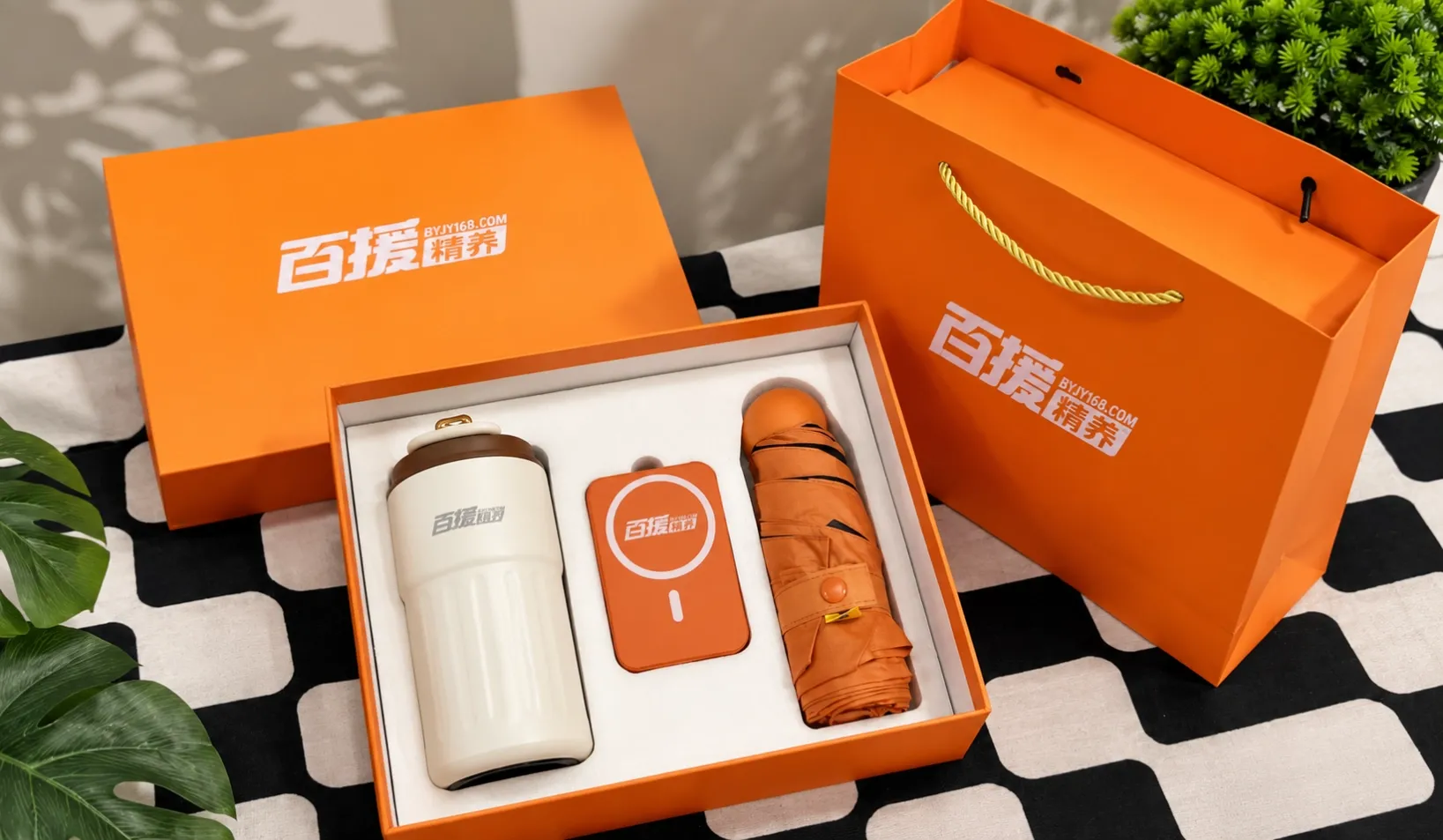
Employee gifts in bulk are a procurement problem with a cultural dimension. You are buying hundreds or thousands of identical items for people who will each judge the gift personally — and who will compare it with the gift their colleague received. Get the quantity economics right but the product wrong, and the budget spent becomes a morale cost instead of a morale gain.
This guide covers how to plan, source and budget bulk employee gift programs from China: choosing by program type (onboarding, recognition, holiday), the categories employees actually keep, sizing and personalization, packaging options, and the logistics of distributing to one office versus many.
Start with the Program Type, Not the Product
"Employee gifts" means different programs with different requirements. Define which you are running before shortlisting products:
Program | Recipient logic | Key requirement | Typical quantity pattern |
|---|---|---|---|
New hire welcome kit | Continuous flow of new joiners | Consistent stock availability for reorders; sizing not an issue (avoid apparel unless sized) | Rolling quantities; keep a standing inventory |
Holiday / year-end gift | All employees, one date | Single delivery deadline; often includes a personal touch (name, card) | One large order, exact headcount |
Recognition / milestone | Individuals or teams, on achievement | Tiered value levels (5 years, 10 years); premium feel | Small quantities per tier, ongoing |
Event-based (retreat, conference) | Attendees | Deadline tied to the event; often apparel or practical items | One order matched to attendance |
Wellness / appreciation drop | All or segmented groups | Thematic (wellness, sustainability); smaller per-unit budget | Recurring, moderate quantities |
Each program type points to different products and different logistics. A welcome kit program needs consistent reorder availability; a holiday program needs one deadline met perfectly; a recognition program needs tiered value. Treating them as one "employee gifting" project produces a compromise product that fits none of them well.
Categories Employees Actually Keep
The employee context differs from client gifting: recipients are internal, they judge usefulness daily, and they notice when the gift feels cheap because they know the company's budget. The categories that consistently work:
Highest Reliability
- Drinkware: insulated bottles, tumblers, travel mugs — daily use, visible brand presence, strong perceived value. The most reliable premium choice for holiday and recognition programs.
- Bags: totes, backpacks, laptop sleeves — practical, used daily, high visibility. Choose a quality feel; a flimsy bag reads as a cost decision.
- Notebooks and premium pens — reliable for office teams; a good notebook with a metal pen is a safe kit staple.
- Tech accessories: wireless chargers, power banks, cable organizers — strong perceived value, especially for tech and hybrid teams. Note battery shipping rules and certification for your market.
Strong for Specific Programs
- Welcome kit staples: notebook + pen + bottle + tote in branded packaging — a standard combination that works because each item gets used.
- Wellness items: insulated water bottles, fitness accessories, tea/coffee sets, desk plants (careful: living items have their own logistics).
- Home office items: desk organizers, monitor stands, branded mousepads — relevant for hybrid and remote teams.
Handle With Caution
- Apparel (hoodies, polos, caps) — beloved when sized correctly, a return-and-exchange problem when not. Only proceed if you can collect sizes in advance, and expect a leftover pile for each size.
- Food and consumables — culturally sensitive and restricted for international teams; shelf life and customs issues for shipping across borders.
- Very personal items (fragrance, fashion accessories) — high return/regift rate unless the team is well understood.
Budget Tiers and Quantity Economics
Employee gift budgets vary widely by company and market, but the structure is consistent — and bulk quantity is the main cost lever:
Tier | Typical use | What it buys (delivered, from China) |
|---|---|---|
Budget | Large headcount holiday gifts, swag drops | Notebooks, basic drinkware, tote bags, pens — simple logo, standard packaging |
Mid | Standard year-end gifts, welcome kits | Quality tumblers, better bags, tech accessories, small gift sets with branded packaging |
Premium | Recognition, VIP, executive-level | Premium drinkware, branded backpacks, multi-item gift sets with custom presentation box |
Quantity leverage matters more in employee programs than almost anywhere else, because headcounts are predictable and reorders are natural: order quantities that land in the next price tier (often 500 or 1,000 pieces), keep the setup amortized, and plan welcome kits as a recurring program with a standing buffer rather than a one-off purchase with a long lead time each cycle.
Personalization: When It Is Worth It
Personal touches (names, initials, team identifiers) raise the perceived value of employee gifts significantly — and add real cost and risk. Assess honestly:
- Individual names: strongest effect, highest operational complexity — every unit is unique, so production, sorting and distribution must be managed per person. Feasible with engraving or UV printing; plan extra scrutiny for spelling and duplicate names, and collect the name list in a clean, single format.
- Team or department labels: a practical middle ground — a small set of variants rather than hundreds, with sorting by department for distribution.
- Insert card with a printed message: a handwritten card adds warmth at low cost — but handwriting hundreds or thousands of cards is a labor problem, and inserting them at the factory is often the practical default.
- One design, no individualization: the most efficient and robust choice for large headcounts — allocate effort to product quality instead.
Packaging and Distribution
Two packaging strategies serve employee programs, and they distribute differently:
- Individually packaged gifts (branded box per person) — the presentation is polished, and distribution is easy: each person receives one box. This is the default for holiday gifts presented in person and for welcome kits handed to a new joiner.
- Bulk-carton delivery with later assembly (products shipped separately or grouped, assembled at the office) — lower packaging cost and lower freight volume, but you assemble internal kits yourself and distribute from a table.
For multi-office and remote teams, the distribution question changes the packaging requirement: gifts that must be shipped individually to employees' homes need packaging that functions as a shipping container (see our guide to custom packaging). For one central handover, presentation boxes travel in bulk cartons and are distributed in person.
The practical planning point: decide the distribution model first, then choose packaging. Choosing the box first and discovering that it must survive individual courier shipping is the classic sequence for damaged gifts arriving at employees' doors.
Timelines and the Holiday Crunch
Employee gift programs run on company calendars with hard dates — the year-end distribution is not movable. The timeline is the same structure as any custom order (selection, sampling, production, inspection, shipping — see our guide to corporate gift lead times), with two specific warnings:
- The Q4 crunch is real. Holiday gifts for delivery in December must be ordered with production finishing by late October to book freight before the peak. Beginning the project in November means paying peak air freight or accepting risk.
- Chinese New Year falls early in some years, forming a second peak when companies plan January or February distributions. If your program targets Q1 delivery, order before the holiday closure rather than after it.
A worked-back model for a December holiday program: target delivery in the last week of November, count back four to six weeks for production and air freight, then two weeks of buffer — which puts the project start in late August to early September. This is why well-run employee gift programs feel slow at the start and calm at the end.
Frequently Asked Questions
What are the best bulk employee gifts?
Products employees actually use: quality drinkware (bottles, tumblers), practical bags (totes, backpacks), notebooks with premium pens, and tech accessories (chargers, power banks, organizers). The pattern behind these is daily-use utility plus durable feel — items that survive past the novelty period. Apparel works only with advance sizing, and consumables are risky for international or mixed teams.
How much should a company spend on employee gifts?
Common practice varies significantly by company size and market, with year-end gifts typically the largest program. Rather than an absolute number, the reliable method is to set a delivered cost per employee (including packaging and shipping) and build the product tier to fit it — then use quantity tiers to buy at the most favorable volume. The delivered cost is the number that matters; a product budget that ignores packaging and freight is what causes overruns at the end of the year.
Should I personalize employee gifts with names?
Individual names create the strongest response but multiply coordination work: unique units, sorting per person, spelling checks, and no buffer for errors (a misprinted name cannot be given to anyone else). For large programs, one design with no individualization is the robust choice. For smaller or premium groups — recognition awards, executive gifts — individual engraving is worth the operational effort.
Should employee gifts be shipped to the office or to employees' homes?
It depends on your distribution reality. Central office handover suits assembled gift boxes traveling in bulk cartons; individual home delivery requires packaging designed to survive courier shipping and a distribution list managed against your headcount. For hybrid or multi-office companies, many programs now ship directly to homes — decide this before choosing packaging, because shipping-grade packaging costs more and needs its own sample approval.
How do I manage sizes for branded apparel gifts?
Collect sizes before ordering — through a form with a deadline — and expect a leftover quantity in each size from staff changes and inaccurate responses. Plan the size curve from your collected data rather than a standard spread, add a small surplus per size, and keep spare units for new joiners. If you cannot collect sizes in advance, choose non-apparel items for that program.
Next Step
Bulk employee gifting comes down to four decisions made in order: the program type (which defines the recipient logic and deadline), the product category (daily utility beats novelty), the packaging and distribution model (office handover or home delivery), and the timeline (worked backward from the distribution date with the Q4 crunch respected).
If you are planning an employee gift program, send us the headcount, budget per person and distribution date — we will propose the tier and categories that fit, confirm the timeline from your date, and handle production, packaging and delivery. You can also browse our product categories for options by tier.