
Oct 19, 2026Sourcing Guides
Conference Giveaways: A B2B Planning Guide
How to plan conference giveaways from China — the three-layer structure (welcome, engagement, speaker), quantity planning from registration data, venue logistics, and budgeting.
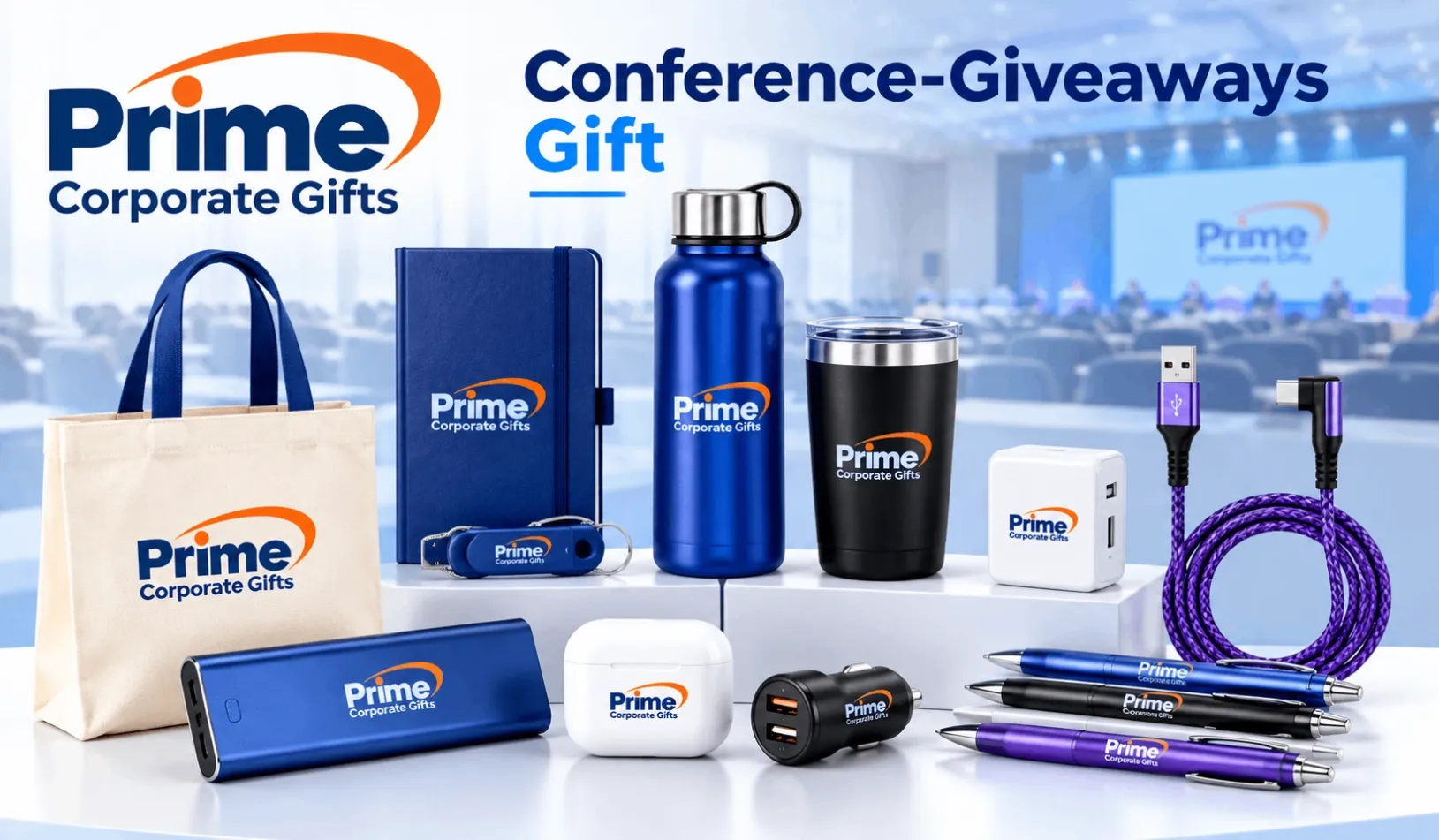
Conference giveaways are a different procurement problem from trade show swag. A trade show visitor chooses to stop at your booth; a conference attendee is on a schedule, receives a registration bag at check-in, and judges everything against the other events they attend. The gifts that work are the ones that fit a conference's rhythm — registration, sessions, speaker moments, and the trip home.
The short answer: plan conference giveaways in three layers (the all-attendee registration item, the session and engagement items, and the speaker/VIP tier), estimate quantities from registration data rather than attendance guesses, ship to the venue in advance with the event coordinator's logistics plan, and choose items that survive air travel. For companies sourcing from China, one consolidated order covering all three layers is the most cost-effective structure.
This guide covers how conference gifting differs from trade show giveaways, the three-layer structure, quantity planning, logistics to the venue, and the budget model.
How Is Conference Gifting Different from Trade Show Swag?
The two events look similar from a distance, but the gifting logic is different — and mixing them up produces wasted budget in both directions:
Factor | Trade Show Booth | Conference |
|---|---|---|
Audience | Passers-by who choose to stop | Registered attendees who already committed |
Distribution point | Your booth, over the show days | Registration desk, seats, speaker moments |
Quantity certainty | Estimated from foot traffic | Known from registration numbers |
Core purpose | Stop traffic and be carried home | Make every attendee feel hosted |
Gift timing | Immediate, impulse | Layered across the event days |
Branding weight | Large, readable from a distance | Clean and considered; attendees see your brand for hours |
The important difference is quantity certainty: conference registration gives you a real number weeks in advance. That removes the guess-and-buffer anxiety of trade show giveaways and lets the budget work harder per attendee. Our trade show giveaway guide covers the booth-based model; this article deals with the conference one.
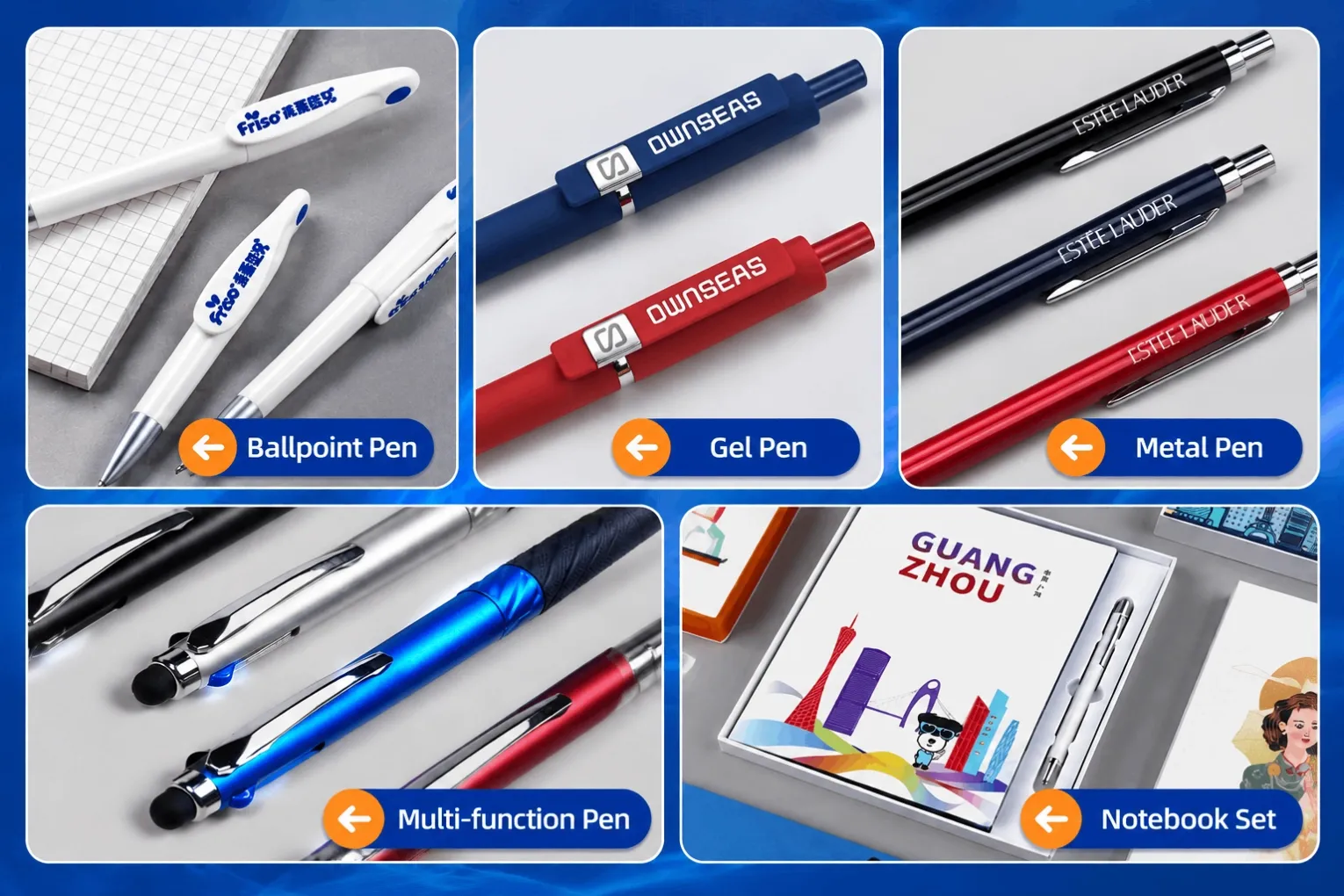
Conference gifting runs in layers — a welcome item for all attendees, engagement items during the event, and a premium tier for speakers.
What Are the Three Layers of Conference Giveaways?
Conferences succeed with a layered program rather than one item. Each layer has a different audience, purpose and unit budget:
Layer | Recipients | Purpose | Typical Items |
|---|---|---|---|
Layer 1: Registration item | Every attendee | Welcome at check-in; practical for the event days | Tote or backpack, notebook + pen, badge holder, water bottle, lanyard |
Layer 2: Engagement items | Session participants, quiz/contest winners, booth visitors | Reward participation during the event | Premium drinkware, tech accessories, gourmet items, branded apparel |
Layer 3: Speaker & VIP gifts | Speakers, panelists, executives, VIP guests | Thank high-visibility contributors; a gift visible from the stage | Premium gift sets, leather goods, desk pieces, high-end tech |
A practical rule for the mix: Layer 1 should be the largest quantity and lowest unit cost; Layer 3 should be the smallest quantity and highest quality. For a 500-person conference, the pattern often looks like 500 registration items, 50–150 engagement pieces, and 10–30 speaker gifts.
What Should the Registration Item Be?
The registration item is the one gift every attendee receives, and it has a second job: carrying the materials they collect during the event. The pieces that work, in combination:
- A bag with a purpose. Attendees need something to hold the program, notebook, and giveaways from sponsors. A practical tote or lightweight backpack sets the tone for the whole event. Recycled cotton or nonwoven reads well for sustainability-positioned events.
- A notebook and a pen that work. Conference attendees take notes in sessions — a notebook with decent paper and a pen that writes smoothly is used repeatedly and seen by the people sitting nearby.
- Drinkware. A branded reusable bottle or tumbler replaces the venue's plastic cups for three days and travels home with the attendee.
Resist stuffing the registration bag with many small items — the conference version of the trade show mistake. Three or four quality items beat ten forgettable ones, and the bag itself is judged by how it feels on day two.
How Many Should You Order for Each Layer?
Conference quantity planning starts from registration numbers, not attendance estimates. The working model:
Layer | Quantity Basis | Buffer |
|---|---|---|
Registration item | Confirmed registrations + speakers + staff + sponsors | +5–10% for on-site registrations and replacements |
Engagement items | Number of engaged sessions or planned interactions | +10–15%, since participation varies by session |
Speaker & VIP gifts | Confirmed speaker and VIP list from the program team | +2–5 spares for last-minute additions |
Two rules that apply across layers: finalize the quantities when registration closes (not earlier), and keep leftover Layer 1 items for the next event — a plain branded tote or bottle keeps. Anything event-specific (dated notebooks, themed packaging) does not, so if you plan to reuse stock, keep the design evergreen.
How Do Attendees Make Gifts Feel Intentional?
The difference between a conference gift people keep and one they leave in the hotel room is rarely the item's price — it is whether the gift feels connected to the event. Three mechanisms, in increasing cost:
- Event-relevant choice. A notebook sized for session notes, a bottle for a conference with long days, a bag that fits the program. The item's usefulness during the event is the strongest retention factor.
- A printed event item. The event name or year printed alongside the brand turns the gift into a memento. Prints shared with the brand mark cost little more than the brand-only version.
- Personalization. Names on speaker gifts (or on premium engagement items) — see the personalization tiers in our client appreciation gifts guide for how to manage this at event volume.
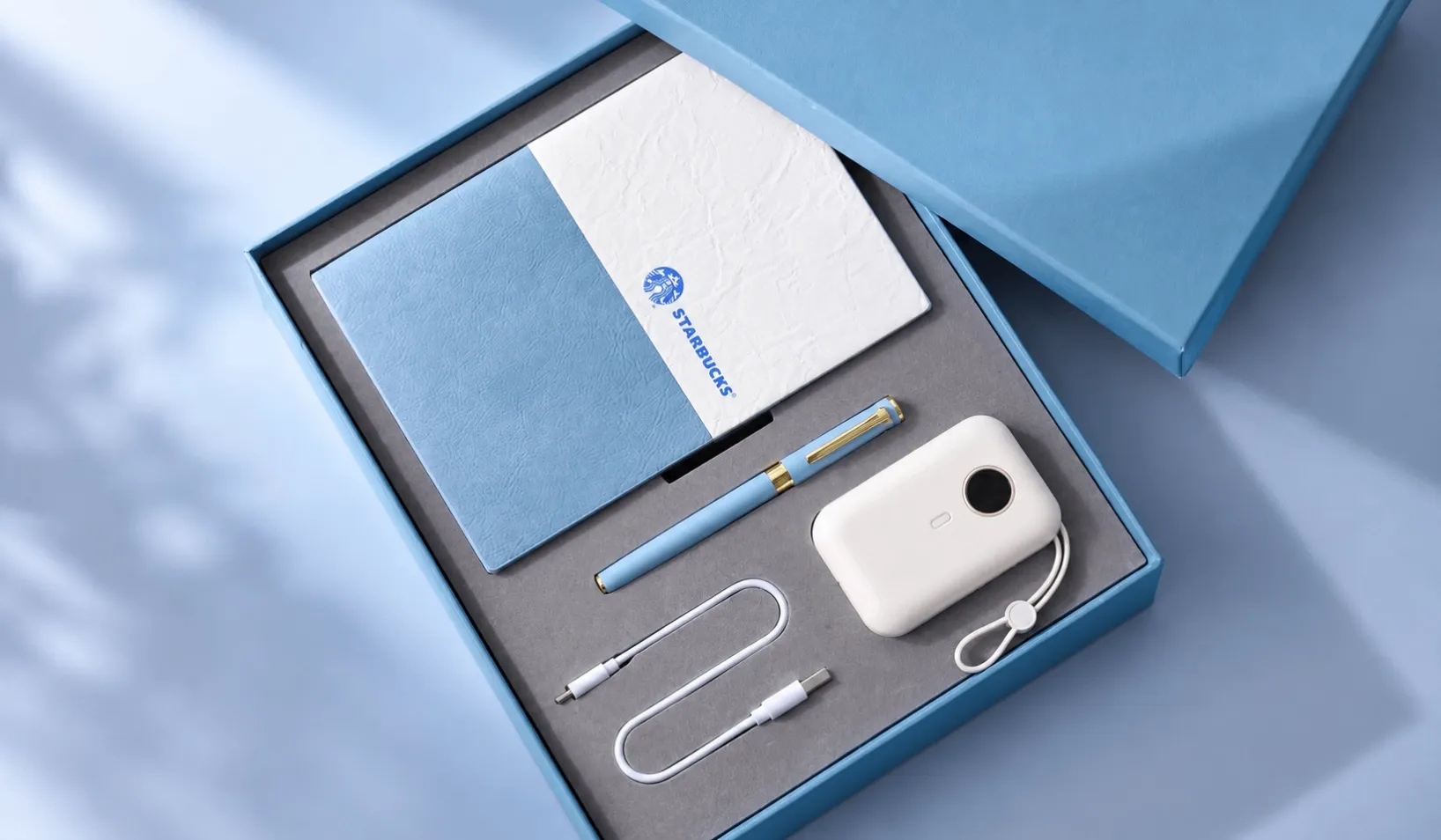
Conference logistics start before the event: gifts are packed and staged ahead of the session dates.
How Do You Get Conference Gifts to the Venue?
Logistics are where conference gift programs fail — the venue has strict receiving rules, and the schedule does not bend. The options, with their trade-offs:
Delivery Method | How It Works | Best For | Watch Out For |
|---|---|---|---|
Direct ship to venue | Supplier ships the full order to the conference hotel or center for you | Large registration-item orders | Venue receiving fees, storage windows, and no set-up labour included — confirm in advance with the venue coordinator |
Ship to a local address, deliver on site | Order ships to your offices, a partner's address, or a local logistics provider; you move it to the venue | Smaller events; items needing assembly or kitting | Someone must physically transport and set up — plan the crew |
Individual fulfillment | Gifts are shipped directly to attendees' addresses | Virtual or hybrid events; post-event follow-ups | Per-destination freight; requires an address list — provide it to the supplier in advance |
Two practical notes. First, ship with the show schedule in mind: for most conference programs, the order needs to arrive 2–3 days before the event opens, which means working backward through a 4–8 week production and shipping window — our corporate gift lead time guide covers the seasonal crunch points. Second, check the venue's rules early: some conference centres refuse deliveries outside set windows or charge handling fees per carton, and a consolidation that costs little at the factory can be expensive at the loading dock.
How Should You Budget Conference Giveaways?
Conferences run best on a per-attendee budget for Layer 1 plus program budgets for the upper layers. A structure that finance can approve:
Budget Line | Basis | What It Covers |
|---|---|---|
Per-attendee welcome kit | Confirmed registrations × per-attendee budget | Bag, notebook, pen, drinkware — plus packaging and freight |
Engagement allocation | Fixed program amount | Session prizes, contest items, on-site giveaways |
Speaker & VIP allocation | Speaker list × premium budget | Premium sets or individual gifts, often personalized |
Logistics reserve | ~3–5% of the order | Venue receiving fees, last-minute couriers, on-site adjustments |
A per-unit number worth knowing: at conference volumes (500–2,000 attendees), the registration-tier items are usually the cheapest part of the whole event's gift spend per person — which is why consolidating all three layers into one production order with one supplier is the standard move. It also keeps the brand treatment consistent across the layers, the visual anchor we covered in our multi-location gifting guide.
Frequently Asked Questions
What is a good giveaway at a conference?
The most reliable combination is a practical bag plus a notebook-and-pen set, with drinkware if the budget allows — the items attendees use during the sessions themselves. The test that matters: would an attendee use it before the closing keynote? If not, it is likely to be left behind. Premium items work better as engagement rewards and speaker gifts than as the all-attendee item.
How many giveaways should I order for a conference?
Order registration items from confirmed registrations plus speakers, staff and sponsors, with a 5–10% buffer for late additions. Engagement items track the number of planned interactions (sessions, contests, booth traffic) with a 10–15% buffer. Speaker and VIP gifts follow the confirmed program list plus a few spares. Finalize quantities when registration closes.
What do you call giveaways at a conference?
The common English terms are "conference giveaways," "conference swag," and "conference gifts." These terms are used interchangeably by buyers, but search behaviour distinguishes them slightly: "conference swag" tends to attract buyers browsing item ideas, while "conference giveaways" and "conference gifts for attendees" come from people planning an actual program. If you are sourcing, all three point to the same category — the layered gift program described above.
When should I order conference giveaways?
Work backward from the event date: allow 4–8 weeks for custom production and freight, plus 2–3 days for venue delivery ahead of the event, plus buffer around Chinese New Year and the Q4 peak. In practice, ordering 8–12 weeks before the conference keeps every option open — shipping method, sample pace and product choice — instead of only air express and stock items.
How do conference gifts differ from trade show giveaways?
Trade show giveaways aim at passing traffic — they must be carried home from a booth and are bought in estimated quantities with a waste allowance. Conference gifts serve registered attendees — quantities are known in advance, distribution is at registration or in session rooms, and the program can be layered (welcome item, engagement items, speaker gifts). The overlap is the product categories; the planning logic is different.
Next Step
Conference giveaways come down to four decisions: build the three-layer structure (welcome, engagement, speaker), set quantities from registration numbers, choose the venue delivery method early with the show coordinator, and consolidate all layers into one production order for cost and consistency.
If you are planning conference or event gifts, send us the attendee numbers, event dates and target per-attendee budget — we will propose a three-layer program, quote at volume tiers, and coordinate production and delivery with your venue's schedule. You can also browse our product categories and our corporate gift sourcing service for the full process.