
Oct 8, 2026Buying Guides
How Much Do Custom Corporate Gifts Cost?
The full cost structure of custom corporate gifts from China — product, customization, packaging and logistics costs, how quantity changes pricing, and how to build a per-unit budget that holds up.
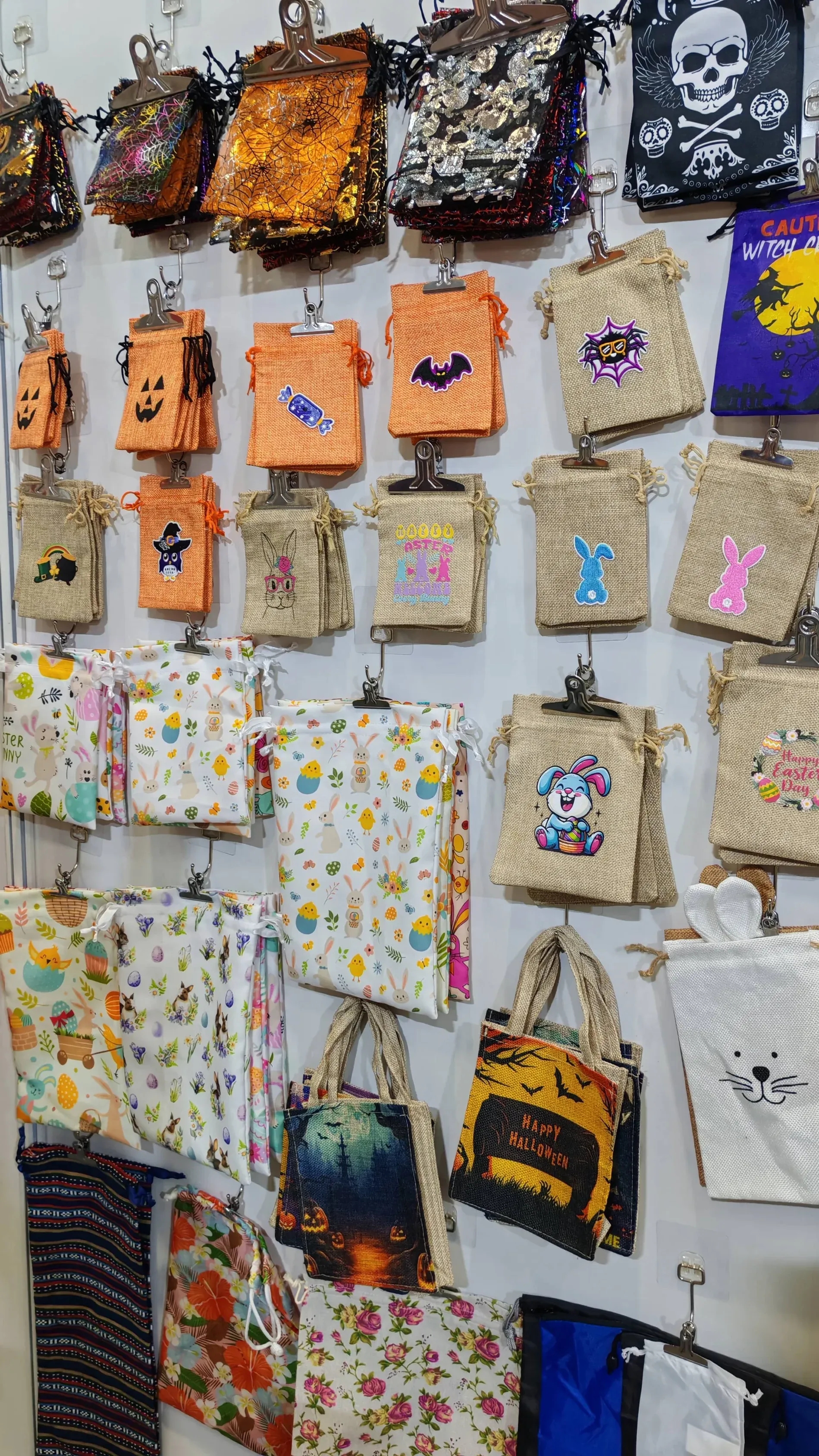
"How much do custom corporate gifts cost?" is the hardest question in the industry to answer with a single number — and the easiest to answer with a cost model. The reason suppliers hesitate to publish prices is not secrecy: it is that the same product can legitimately cost $3 or $30 per unit depending on five variables, none of them hidden.
This guide lays out the full cost structure of a custom corporate gift order sourced from China, what drives each component up or down, and how to build a per-unit budget you can actually plan against.
The Five Cost Components of Every Gift Order
A quoted unit price is a summary of five separate costs. Understanding them individually is what makes quotes comparable — and what explains why two quotes for "the same product" can differ by 40%.
Component | What It Covers | Usually Charged As |
|---|---|---|
1. Product base cost | The un-customized product itself | Per unit, tiered by quantity |
2. Customization setup | Screens, plates, molds, embroidery digitizing | One-time fee per method |
3. Customization per unit | Ink, engraving time, embroidery thread, print passes | Per unit, often included in unit price |
4. Packaging | Standard bag/box, branded label, printed sleeve, custom box | Per unit + setup for custom |
5. Logistics | Shipping, duties, last-mile delivery to your destination | Per shipment, often quoted separately |
The single most common budget error is treating the product base cost as "the cost." In a typical branded gift project, the product is roughly half to two-thirds of total landed cost. Packaging and logistics make up the rest, and they are the two lines buyers most often leave out of planning.
What Each Component Actually Costs
1. Product Base Cost
The base product cost is set by material, construction, and quantity tier. Useful planning ranges for common categories, at mid-range volumes (around 500–1,000 units) with basic customization included:
Product Category | Budget Tier | Mid Tier | Premium Tier |
|---|---|---|---|
Pens / small giveaways | $0.30 – $1 | $1 – $3 | $3 – $10 |
Notebooks | $2 – $4 | $4 – $8 | $8 – $20 |
Tote bags / textiles | $2 – $5 | $5 – $12 | $12 – $30 |
Drinkware (bottles, tumblers) | $3 – $6 | $6 – $12 | $12 – $30 |
Technology (power banks, chargers) | $5 – $10 | $10 – $20 | $20 – $40 |
Corporate gift sets (3–5 items + box) | $15 – $25 | $25 – $45 | $45 – $100+ |
These are broad planning ranges, not quotes: material grade alone can move a tumbler by 2–3x, and the quantity tier materially changes unit cost. What matters for budgeting is the tier structure — pick your target band first, then shortlist products inside it.
2. Customization Setup — the Fee Buyers Forget
Every customization method requires a one-time setup:
- Screen printing: one screen per color; a 2-color logo means two screens.
- Pad printing / UV printing: a plate or fixture per design position.
- Laser engraving: a fixture plus digital setup; usually the lowest setup of the print methods.
- Embroidery: a one-time digitizing fee to convert your logo into a stitch file.
- Custom mold/trim: a one-time tooling cost, from a few hundred to tens of thousands of dollars depending on the product.
Setup fees are charged once per order and per specification, and they are the reason unit prices drop at higher quantities: the same setup spread over 3,000 pieces costs one-third as much per unit as over 1,000. They also reappear if you later change the logo artwork, add a second logo position, or the specification changes — worth knowing when planning a reorder.
3. Packaging — the Biggest Budget Variable
Packaging is where gift projects most often exceed budget, because it is a second purchase with its own design, MOQ and quality level. The four common options, roughly from cheapest to most expensive:
Packaging Option | Cost Effect | Typical MOQ | Best For |
|---|---|---|---|
Standard packaging as supplied | Often $0 (included) | None extra | Functional giveaways |
Branded label / sticker | Very low per unit | Low | Cost-sensitive branded programs |
Printed sleeve over stock box | Low to moderate | Moderate | Presentation on a budget |
Fully custom box + insert | Can add 20–50% to unit cost | 500 – 3,000+ | Premium client gifts, gift sets |
A fully custom rigid box with foam insert can cost as much as or more than the product inside it. The decision rule: if the gift is handed over in person and represents the company, presentation packaging earns its cost; if it is a practical giveaway, a label or sleeve delivers the brand effect at a fraction of the price.
4. Logistics — Where "Cheap" Orders Stop Being Cheap
Shipping is quoted separately from product cost in most China sourcing quotes, and buyers planning only product budgets get surprised here. The two main modes:
- Air freight: days rather than weeks, priced by weight (and sometimes volume). Best for urgent orders and dense, high-value products.
- Sea freight: weeks of transit, priced by volume (CBM) per container share. Best for heavy or bulky orders with schedule flexibility.
Two practical planning numbers: for small orders, air freight often adds a per-unit cost comparable to a mid-tier product's price; for large orders, sea freight reduces it to a small fraction. The break-even depends on weight, volume and urgency — which is why asking for both air and sea options in your quote is standard practice, not an inconvenience.
How Quantity Changes Everything
Quantity affects every component at once: base cost drops at higher tiers, setup spreads thinner, and packaging minimums become viable. The effect is most dramatic at the first breakpoints and flattens later.
Quantity | Setup Cost Per Unit (example: $300 setup) | Effect |
|---|---|---|
300 pcs | $1.00 per unit | Setup visible in unit price |
1,000 pcs | $0.30 per unit | Setup fading |
3,000 pcs | $0.10 per unit | Setup negligible |
This is why "MOQ" and "cost" are the same conversation: below the minimum, the setup cost per unit makes the price look bad, not the factory's margin. Our guide to MOQ for custom promotional products covers how to work with minimums when your quantity is fixed.
Building a Per-Unit Budget That Holds Up
Work backward from the delivered cost, not forward from the product price. A practical budgeting sequence:
- Set total budget. Total spend available for the project.
- Reserve logistics first. Estimate shipping (and any duties) per your destination and mode — this is the component most likely to blow a budget, so reserve it early.
- Reserve packaging second. Decide the presentation level now (standard, label, sleeve, custom box) and price it in.
- Allocate the product budget. Total minus logistics minus packaging equals what you can spend on products and customization combined.
- Split products vs customization. Customization setup is near-fixed; per-unit customization is a small percentage. Reserve the setup fee explicitly so it does not surprise you on the quote.
- Pick the product tier that fits the remainder. Only now shortlist products — from the budget tier that survives, not from what looks attractive first.
As a rough benchmark for planning: after logistics and packaging are reserved, product base cost often ends up around 50–65% of the total project budget, customization around 10–15%, packaging 15–20%, and logistics 10–20%. The percentages shift with product category and destination, but the order of the reservations is what saves the budget.
Why Two Quotes for "the Same Product" Differ by 40%
When quotes look inconsistent, the difference is almost always in the specification rather than the supplier's margin. Common sources:
- Material grade. Generic steel vs food-grade stainless; single-wall vs double-wall vacuum insulation — same product name, different product.
- Quantity tier. One quote at 500 pieces, the other at 3,000 — not comparable unit prices.
- Packaging inclusion. One quote includes a gift box and insert, the other is product only.
- Customization method and positions. One logo position vs two; single-color vs full-color; engraved vs printed.
- Shipping terms. A quote including delivery to your door vs a quote at the factory gate (EXW/FOB) can differ by 20–40% for small orders.
- Certification scope. Electronics quotes with valid destination-market certification include a real cost the other may have skipped.
The practical rule: never compare unit prices in isolation. Compare the full specification line by line — and if a supplier will not provide a full breakdown, that is itself information about the quote. Our guide to custom promotional products from China covers how to read a complete quote.
Frequently Asked Questions
What is a typical per-unit cost for custom corporate gifts from China?
Across common categories at mid-range volumes (around 500–1,000 units), practical tiers look like: simple branded giveaways in the $0.50–$3 range, practical mid-tier products (notebooks, basic drinkware, bags) in the $3–$12 range, premium items and gift sets in the $15–$50+ range per unit. Packaging and shipping sit on top of these ranges and can add 30–80% to the delivered unit cost depending on presentation level and shipping mode.
How does quantity affect the price?
Every component improves with quantity: base cost moves to lower price tiers, one-time setup spreads across more units, and higher packaging minimums become practical. The largest relative drops happen at the first breakpoints (for example 300 to 1,000 pieces); beyond that, savings scale more gradually because material and labor are variable costs.
Is it cheaper to source gift sets or single products?
The product cost per set is simply the sum of its items, so sets are not inherently cheaper — but the delivered cost often improves because packaging, shipping and coordination are consolidated into one project. The exception is custom presentation packaging: a fully custom box with insert can add significantly to per-unit cost, so decide the presentation level consciously.
What hidden costs should I watch for?
The most common are: one-time setup fees (screens, plates, digitizing, molds) that buyers forget to allocate; custom packaging with its own MOQ and cost; shipping quoted separately from product; certification costs for electronics; and low-quantity surcharges when ordering below MOQ. All of them are predictable if you ask for a complete breakdown at the quoting stage.
How can I reduce cost without reducing quality?
Four reliable levers: increase quantity to reach the next price tier; switch to a stock color to remove material minimums; move from a fully custom box to a stock box with a branded sleeve or label; and consolidate products into one shipment instead of shipping from multiple factories separately. Each lever targets a fixed or setup cost rather than the product quality itself.
Next Step
Custom corporate gift cost is a structure, not a mystery: product, customization setup, per-unit customization, packaging and logistics — planned in that order of reservation, from total budget backward.
If you have a total budget and a quantity, the fastest way to a real number is a quote scoped to your target. Send us your budget, quantity and destination — we will confirm what fits at your target per-unit cost, flag where the money actually goes, and return a complete breakdown of product, customization, packaging and delivery. You can also preview our product categories by tier before you decide.