
Oct 14, 2026Gift Ideas
How to Source Branded Welcome Kits for Employees
How to source employee welcome kits and new hire welcome kits from China — kit contents, reorder mechanics, personalization at volume, remote onboarding, and per-hire budgeting.
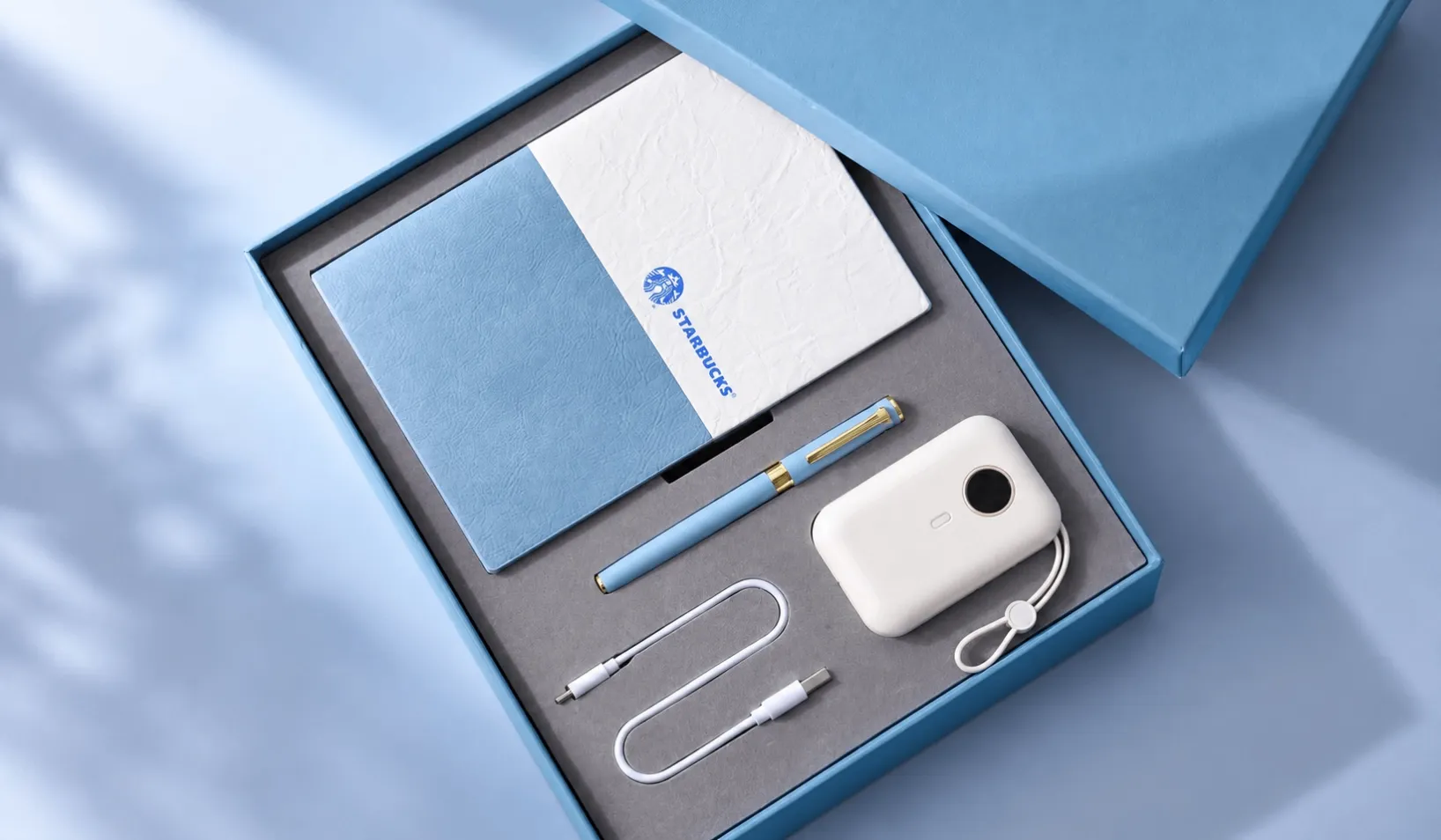
An employee welcome kit is the first physical thing a new hire receives from the company — it arrives on day one, before the laptop is fully set up and before any onboarding session. That makes it the highest-visibility piece of branded merchandise a company produces, and unlike almost every other gift program, it is a recurring procurement operation: new joiners arrive continuously, so the new hire welcome kit must be reorderable, consistent and available on demand.
If you are searching for onboarding gifts, onboarding gift boxes, or employee welcome gifts, this is the same category: the day-one package a new joiner receives. The procurement rules are identical whether you call it an onboarding kit, a welcome pack or a new hire gift set — and the program logic in this guide applies in each case.
The short answer to sourcing employee welcome kits from China: standardize the kit to two to four stock products with logo customization, order at a volume tier that covers several months of hiring, hold a standing buffer, and set a stock-level reorder trigger. Personalize at hand-over with a printed card rather than engraving individual names, unless you batch engraving runs for groups of new hires. Keep one approved sample on file as the quality standard — that sample is what makes kit #200 match kit #1.
This guide covers what goes in a welcome kit, the reorder mechanics that prevent a new hire starting without one, how personalization actually works at rolling volume, the remote-onboarding logistics most guides skip, and how to budget the program per hire.
What Should an Employee Welcome Kit Include?
The purpose of the new hire welcome kit is to make day one feel prepared — not to maximize item count. Kits that land well share a structure: two to four genuinely useful items, one thoughtful touch, and packaging that makes the unboxing feel intentional.
Component | Purpose | Cost Level | Notes |
|---|---|---|---|
Notebook + pen | Day-one utility; used in every meeting | Low to mid | The most reorder-friendly components; keep the specification frozen |
Drinkware (bottle or tumbler) | Daily use, high visibility, strong perceived value | Mid | The item that makes the kit feel substantial |
Tote bag or laptop sleeve | Practical carry; signage in and out of the office | Low to mid | A flimsy bag undercuts an otherwise good kit |
Tech accessory | Signal of role-appropriateness (hybrid/tech roles) | Mid | Cable organizer, wireless charger; mind battery shipping rules for air freight |
Welcome card | Welcome message, IT contact, first-week guidance | Very low | Inserted at the factory or locally; the "thoughtful touch" |
Sustainable accent (reusable straw, seed kit) | Brand values in a small item | Very low | Optional; fits sustainability positioning |
Three-item and four-item structures are the reliable range. Five or more items dilute the budget and multiply reorder complexity for little additional effect. If budget is limited, prefer three quality items over five cheap ones — new hires judge the kit's quality, not its volume. These gift sets for employees work best when each item earns its place: a notebook, drinkware and a bag cover the utility; anything beyond that has to justify itself.
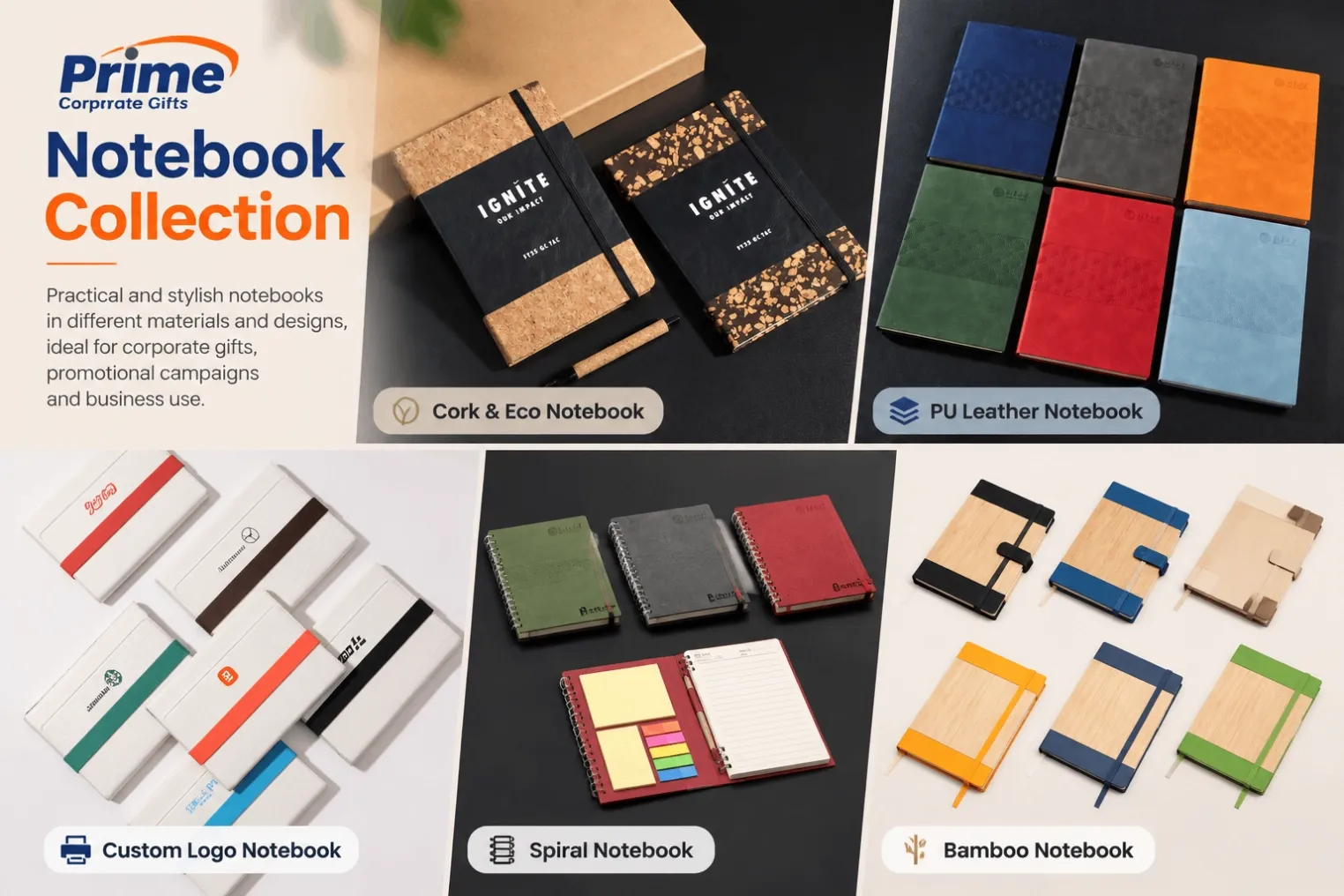
The notebook is the most reorder-friendly component in a welcome kit — a stock item with logo customization that regenerates on short lead times.
Why Do Welcome Kit Programs Fail After Month Two?
Welcome kit programs almost never fail at launch. They fail in month three: the first order is exhausted, a new joiner starts on Monday, and someone discovers the components are out of stock, discontinued, or need a four-week production run.
The failure is structural — the first order was treated as a purchase instead of a program. The fix is designing for reordering from the start:
- Choose products with stable, ongoing production. A stock product the factory makes continuously can be reordered in weeks. A fully custom item may need a fresh sample round and a higher minimum. For kits, prefer stable stock items with logo customization over custom-made components.
- Keep one standing buffer. Hold stock covering an agreed period — commonly two to three months of expected hires, or a fixed number like 20–50 kits — and top up when the buffer drops below half. The buffer absorbs hiring spikes and covers the supplier's lead time.
- Trigger reorders on stock level, not a calendar. "Order 100 more when we drop below 25 kits" beats a quarterly review, because hiring is lumpy. A quarterly reminder misses the spike that happens between reviews.
- Confirm reorder terms at the first order. Ask for, in writing: reorder lead time, minimum reorder quantity, whether the logo setup fee is waived on reorders of the identical specification, and how long the price remains valid. This turns every future order into a routine instead of a new project.
On setup fees: screens, plates and digitizing are one-time per specification. On reorders of the identical spec, the setup should be reused — say this at the first order so it does not get charged twice.
How Does Personalization Work at Rolling Volume?
The personalization question is harder for onboarding kits than for any other program: you buy volume (for cost and consistency) but distribute to individuals (where personal touches land). The options, rated for a rolling program:
Personalization Option | Rolling-Program Viability | Why |
|---|---|---|
Company branding only | Highest | One specification, true bulk pricing, no per-item handling |
Welcome card with printed message/name | High | Added at hand-over by HR; zero production complexity |
Name engraved on one item (e.g. the tumbler) | Medium | Requires batching: collect weekly cohorts and engrave in runs, never one-at-a-time |
Name on every item | Low | Unique units, per-person sorting, no buffer for misprints; rarely worth it |
The structure most companies land on: the kit is fully standardized, and personalization happens at hand-over — a printed welcome card with the new hire's name, added by HR or the team lead. This delivers the personal effect with zero procurement complexity.
Where companies do engrave, the tumbler is the usual target: one item, durable mark, strongest "this was made for me" signal. The operational reality to plan for: individual names mean either batch handling (collect new hires weekly, engrave in runs, hold finished kits) or a turnaround delay between hire date and kit delivery. Both are manageable — unplanned, both become complaints.
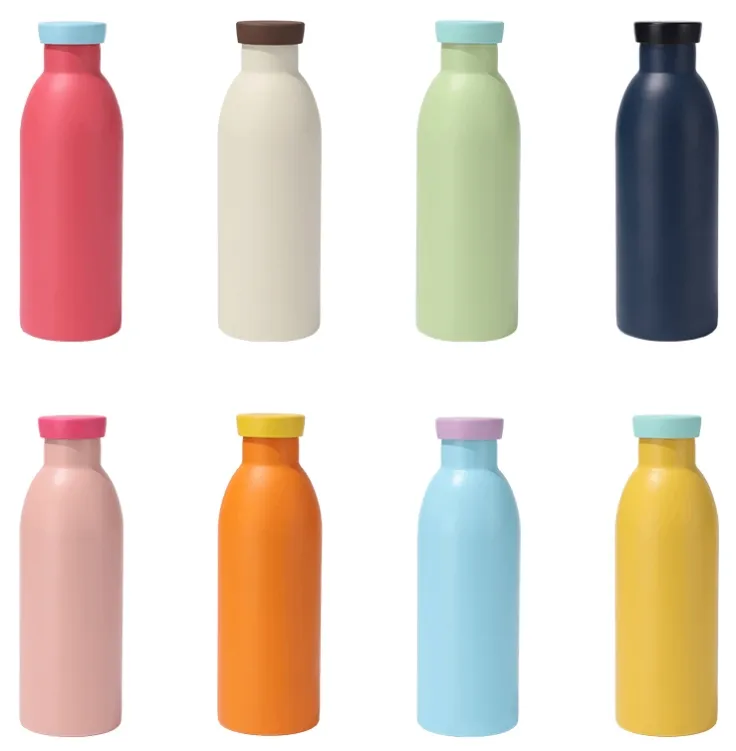
Drinkware carries the kit's perceived value — and it is the item most often chosen for name engraving.
How Do You Handle Remote and Hybrid Onboarding in the Program?
Most welcome kit guides assume the kit is handed over in an office. For hybrid and distributed companies, a share of every cohort receives the kit by courier — at home, in a different city, sometimes a different country. This changes three things:
- Packaging must be transit-grade. The presentation box ships inside a protective outer carton, or the mailer itself is rigid enough for courier networks. Test one kit through the actual delivery route — couriers are harder on parcels than hand-over is.
- The address pipeline becomes part of the program. Someone must collect each new hire's shipping address before day one, ideally as part of the standard onboarding checklist. Kits that arrive in week two lose most of their effect; the card can be digital, but the box should be on the doorstep.
- Shipping becomes a per-kit cost line. Courier costs per kit (often similar in magnitude to a mid-tier component) must enter the per-hire budget. Where remote hires cluster in one country, a bulk shipment to a local hub with individual courier drops is usually cheaper than shipping each kit from China — the supplier or a local fulfillment partner can advise per market.
A practical pattern for mixed in-office and remote onboarding: order the kit components in bulk, hold them at the supplier with the standard packaging, and have the supplier ship individual kits to remote hires on a schedule you provide — while in-office kits ship in bulk to the office. One specification, two distribution paths.
How Do You Model the Cost of a Rolling Kit Program?
A welcome kit program should be budgeted per hire, with per-unit economics improved by ordering in tiers and setup costs amortized across the program. A practical model:
- Decide the per-hire budget — including packaging and shipping per kit. Our guide to corporate gift costs covers the component structure of landed cost.
- Set the components to fit the budget. Three items plus a card typically consumes the bulk; reserve 10–15% for packaging and freight per kit.
- Order the year's volume in tiers where storage allows. Moving from a 200-piece to a 500–1,000-piece tier lowers unit price and locks setup fees across more units. Holding stock carries a cost — compare it against the per-unit savings and the stockout risk.
- Keep the standing buffer and reorder trigger from the section above.
- Confirm reorder economics at the first order — lead time, MOQ, setup reuse, price validity. Our guide to MOQ for custom promotional products covers how to lock these terms.
For most employers hiring fewer than a few hundred people a year, the structure that works: a larger initial order at the volume tier, a buffer of a few months' kits, and a confirmed reorder path. This beats frequent small orders — which carry higher unit costs, repeated shipping fees, and a recurring stockout risk.
What Should the Welcome Kit Brief Include?
A brief that lets the supplier price the whole program:
- Components or the target kit structure — or a per-hire budget the supplier should fit.
- First-order quantity plus expected annual volume — the single highest-value line. Annual volume is what lets the supplier price for the program, plan reorder continuity and propose a tier structure.
- Logo files and placement — per item, with any brand-standard color requirements.
- Packaging format — presentation box, mailer, tote, or bundle and sleeve.
- Distribution split — how many kits go to offices in bulk versus to home addresses individually, and in which countries.
- Personalization scope — none, cards only, or engraving on a named item (with expected batch cadence).
- Delivery cadence — the schedule the program runs on, and whether the supplier holds stock for individual drops.
Our guide to bulk employee gifts covers how the kit fits a wider employee gifting calendar, and if you are building kits around a specific budget tier, the structure in that guide applies here too.
Frequently Asked Questions
What are good onboarding gifts for new employees?
Good onboarding gifts share the welcome kit logic: two to four useful items the new hire uses in their first week (notebook, pen, drinkware, bag), a personal touch (a welcome card), and packaging that makes the unboxing feel intentional. The gift should arrive on or before day one — a welcome gift delivered in week two loses most of its effect. For rolling hiring, prefer stock items with logo customization so reorders arrive in weeks, not months.
What are the best gift sets for employees?
The gift sets for employees that land best are built around useful, reorderable items: a notebook-and-pen set, quality drinkware, and a practical bag — three pieces that each get used in the first week. For a rolling program, prefer sets built from stock items with logo customization over fully custom sets, since they reorder in weeks instead of months. The set's structure matters more than its item count: three good pieces beat five filler items.
What should an employee welcome kit include?
Two to four genuinely useful items plus a personal touch: notebook and pen, a quality bottle or tumbler, a practical bag or sleeve, optionally a tech accessory, and a welcome card. The items that work share three traits — day-one utility, durability past the first year, and one item that carries the perceived value, usually the drinkware. Three quality items beat five cheap ones. If you are comparing onboarding kit ideas, work from the recipient back to the product: items the new hire uses in their first week beat items they admire once.
How many welcome kits should I order at once?
Order at the quantity tier that fits your hiring volume and storage — often a quarter to a full year of expected hires — and keep a standing buffer sized to cover the reorder lead time (commonly two to three months of hires). Higher tiers lower unit costs; too-small orders bring repeated shipping fees and stockout risk. Trigger reorders on stock level, not a calendar.
Should welcome kits be personalized with each new employee's name?
For most programs, no — keep kits standardized and personalize at hand-over with a printed welcome card. Name engraving on one item (usually the tumbler) is workable if you batch runs for groups of new hires, but per-name, per-order handling adds complexity, unique units and no buffer for misprints. If you do engrave, plan the batch cadence before approving the design.
How do I keep welcome kit stock available year-round?
Three mechanics: choose products the factory makes continuously (stock items with logo customization reorder reliably); hold a standing buffer sized to the reorder lead time; and confirm reorder terms at the first order (lead time, minimum quantity, setup fee reuse, price validity). Trigger reorders when the buffer drops below half so hiring spikes do not catch the program empty.
What does a welcome kit cost per employee?
It depends on component tier, but the structure is consistent: components make up the bulk, with packaging and freight adding roughly 10–20% at meaningful quantities — plus per-kit courier cost for remote hires. The main cost levers: ordering at higher volume tiers, keeping one stable specification (reused logo setup, no per-name customization), and routing remote kits through a local hub where the volume justifies it.
Are employee welcome kits tax-deductible?
In many jurisdictions, yes, within limits — commonly cited examples include the US federal $25-per-recipient annual limit for business gifts (branded items under $4 and incidental shipping costs fall outside it), the UK's £50-per-employee trivial benefits exemption, and Germany's €50 threshold for employee gifts. Some markets treat certain employee gifts as taxable compensation to the recipient. Confirm the treatment for each country where you hire with your tax advisor before setting the per-hire budget.
Next Step
A welcome kit program is built for repetition: stable components and specification, one approved sample kept as the standard, a standing buffer with a stock-level reorder trigger, confirmed reorder terms, personalization at hand-over, and a clear plan for remote hires. Treat it as a program from day one, and new hires get the same quality experience in month twelve as in month one.
If you are setting up a welcome kit program, send us your kit structure, expected hiring volume and distribution split — we will propose components and packaging that fit the per-hire budget, quote at volume tiers with reorder terms confirmed, and keep the specification on file so reorders are routine. You can also browse our product categories to shortlist components.